Caring for every child in Burundi.
The Cleft Lip and Palate department of ORISMA, a Burundian child health NGO, identifies every child from birth, prepares them, supports them to a partner hospital's operating room and follows up the family.
“Judge whether the child is proportionate, not just light.”
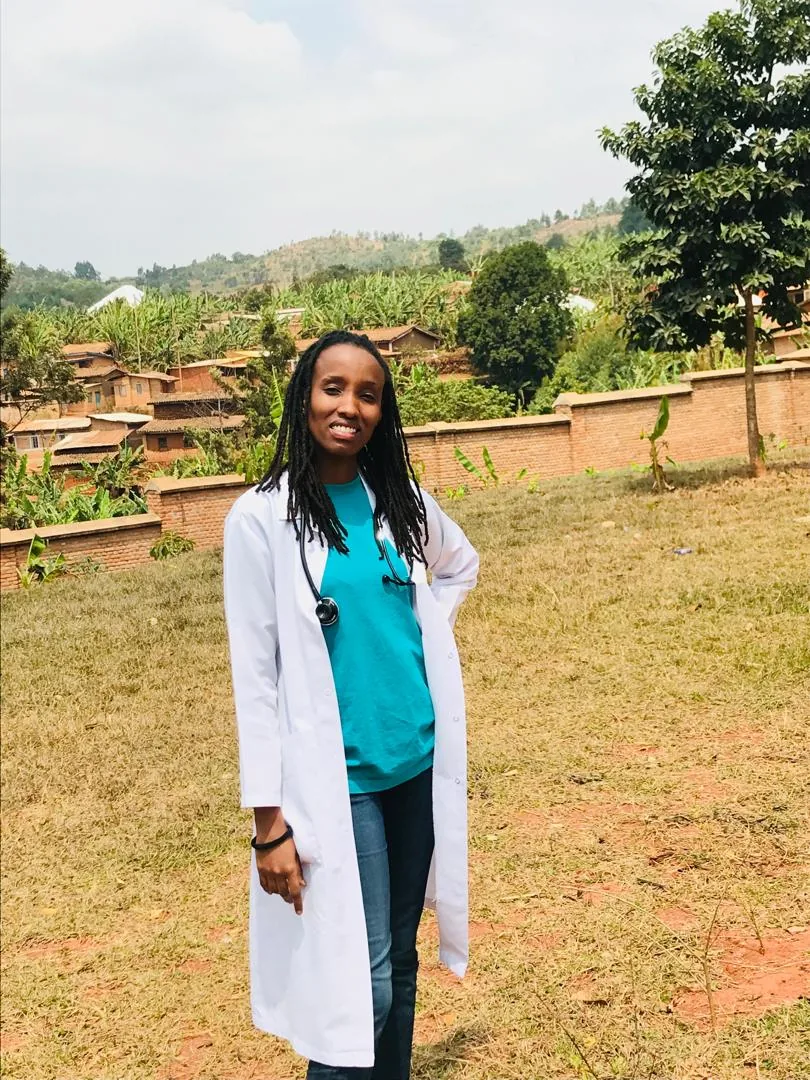
Founder · Dr Bénigne Irakoze
A doctor of medicine — Hope Africa University, 2026 — Dr Bénigne Irakoze led a study on cleft surgery in Burundi: 300 cleft procedures analyzed in a Burundian referral hospital.
Her thesis turned a rule of exclusion into a rule of access: today, every child who is growing well has a place in the operating room, in every hospital of the network.
A department of ORISMA
The Cleft Lip and Palate department is the founding department of ORISMA, a Burundian child health NGO. The other departments (malnutrition, prematurity and kangaroo care, sickle cell disease, paediatric ophthalmology) each have their own team, organisation and website.
Cleft department: from birth to the end of growth
A cleft lip and palate hinders sucking, exposes the child to malnutrition and delays speech. Repairing it is a simple procedure that changes an entire life: ORISMA prepares the child, supports the family up to a partner hospital's operating room and follows them up.
Understanding
What is a cleft, why does it happen, what are its consequences and how is it treated? The page for families.
Four steps, four appointments
The pathway of the Cleft department, the same at every site: verified, tracked and followed up in the ORISMA application.
From birth
Welcome & assessment
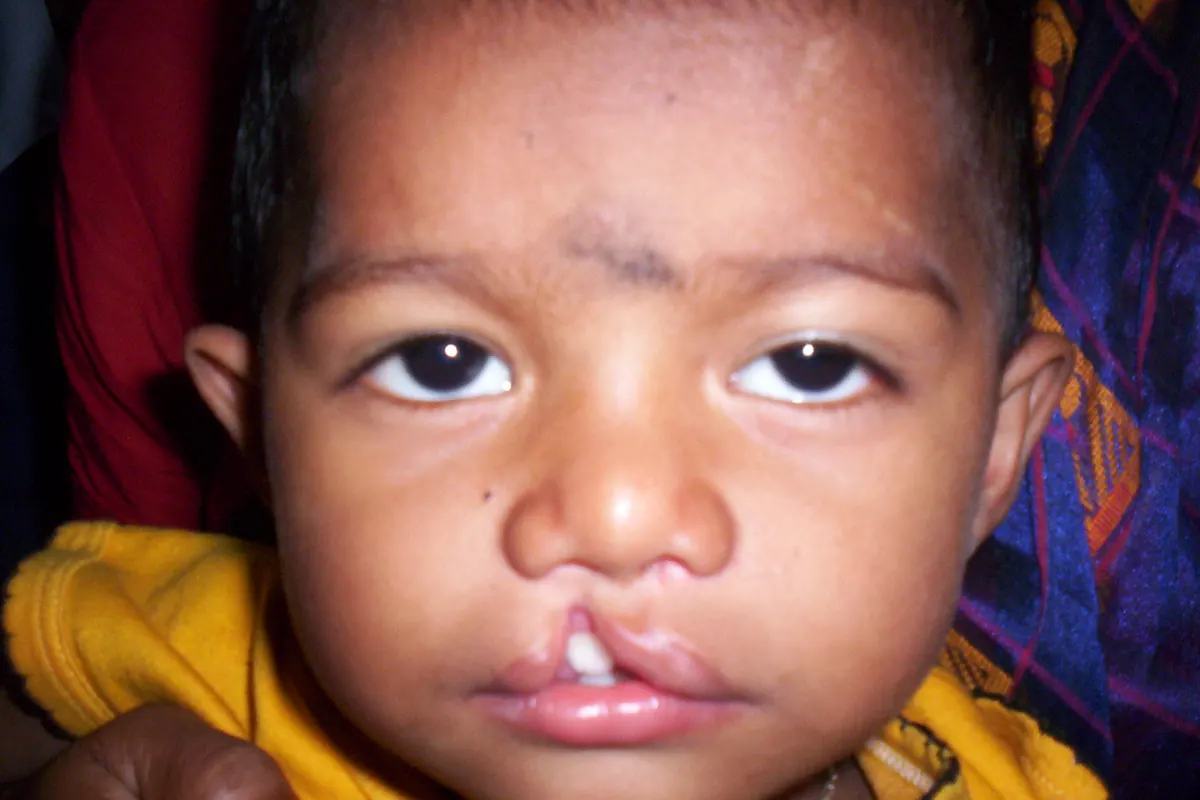
Age, weight, length or height: the weight-for-height z-score determines eligibility, everywhere under the same protocol.
4 to 6 weeks
Nutritional preparation
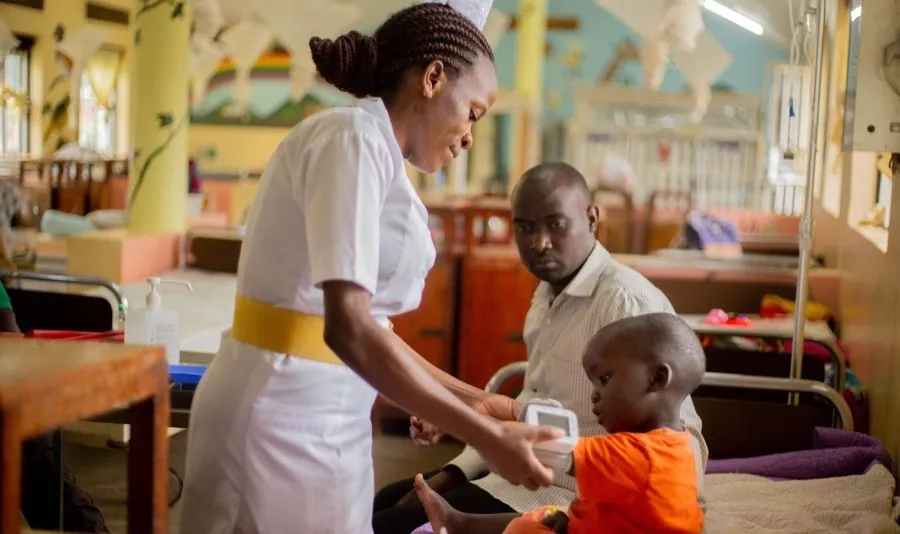
If the child shows wasting (z < −2): 4 to 6 weeks of nutritional rehabilitation before the operating room.
3 to 18 months
Surgery
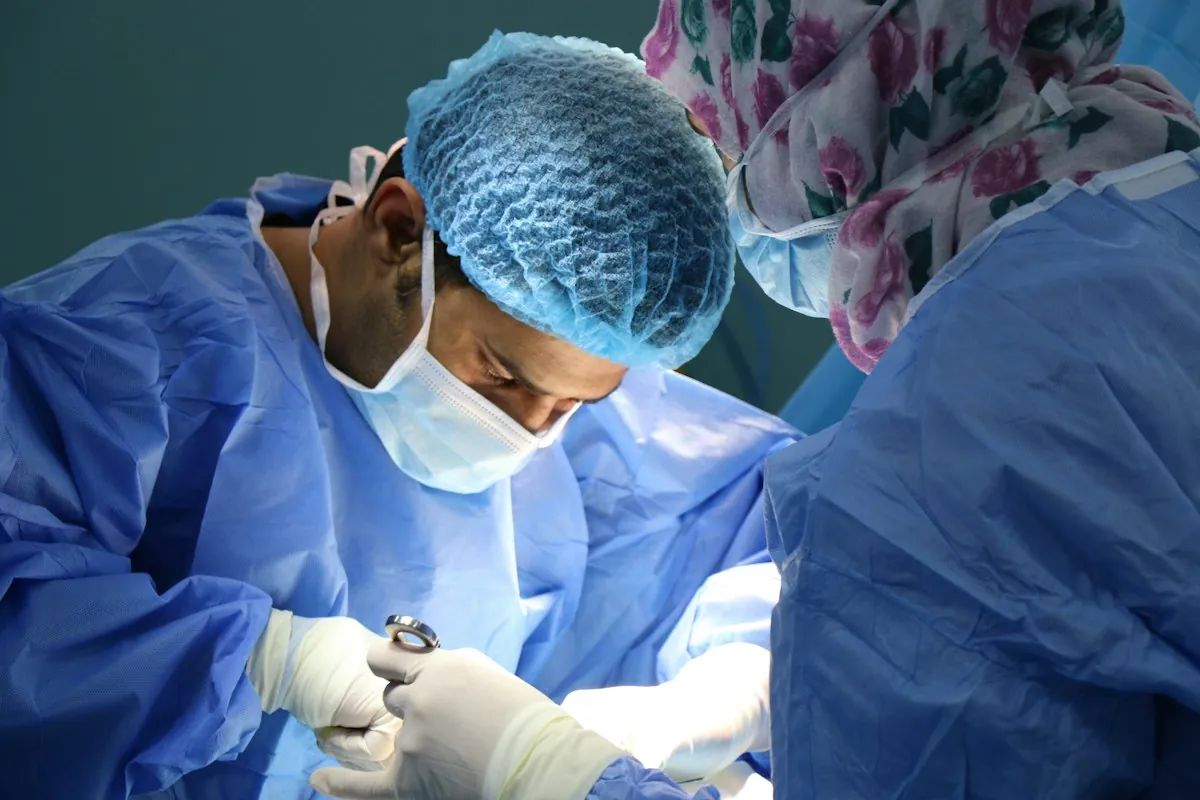
Cheiloplasty at around 3 months, palatoplasty between 9 and 18 months. Modern techniques, short hospital stay.
1 and 3 months after
Follow-up at 1 and 3 months
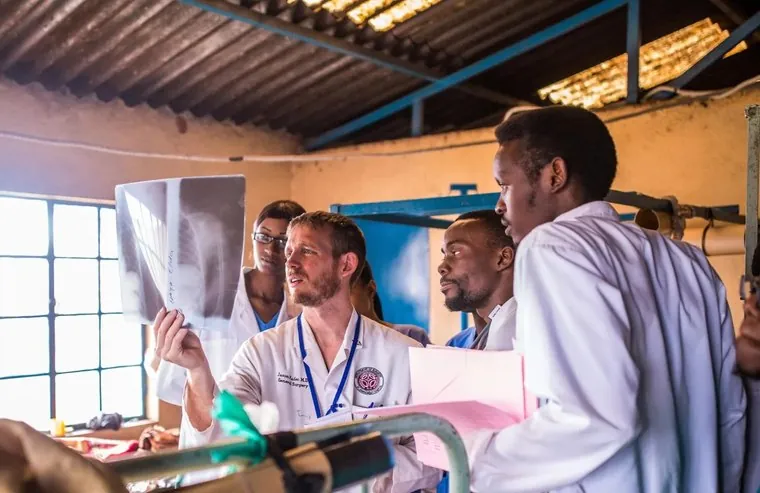
Check-up visit and a call to the family. A complication caught early is a complication treated.
A study on eligibility criteria
Dr Bénigne Irakoze's thesis (Hope Africa University, 2026) compared weight-for-age and weight-for-height across 300 cleft procedures analyzed in a Burundian referral hospital. Its findings underpin the protocol of the Cleft department.
Two indices, two verdicts
One procedure in four involved a child “undernourished” by weight-for-age but proportionate by weight-for-height (kappa 0.04): small, not thin.
Wider access to surgery
Of the children operated on under the new criterion, this share would have been turned away under the old one. Surgical delay halved: 30.4% → 13.2%.
No excess risk
With equal follow-up, the complication rate is identical in both groups (adjusted OR 0.90). The apparent increase was only a detection bias.
The real risk factor
Bilateral cleft is the only independent risk factor for complications: these children receive reinforced preparation and follow-up.
A national center, a site in every province
The national center in Bujumbura coordinates the network. In each province created by the 2025 reform, a site hosted in a provincial hospital will welcome families: one new site per year. Agreements with the hospitals are planned; nothing has been signed yet.
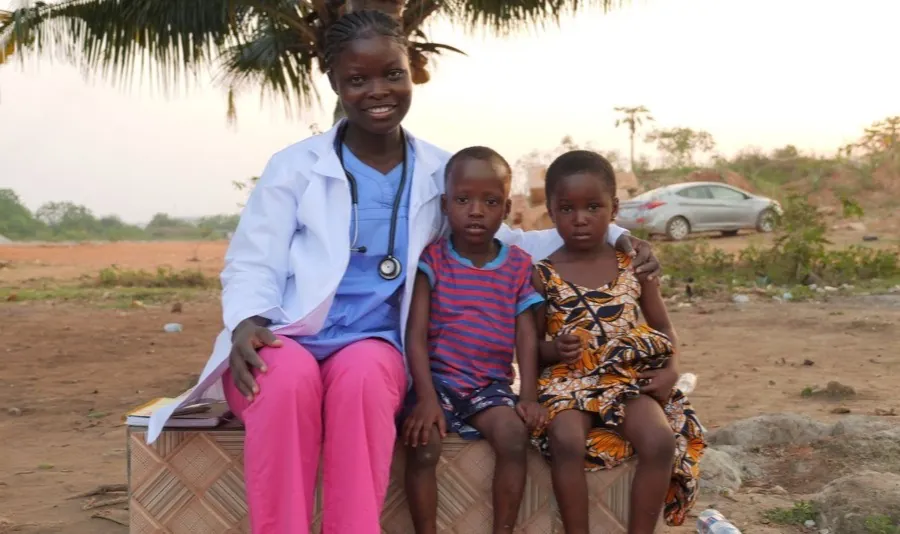
ORISMA national center
Coordination of the Cleft department, team training, the application and each child's record; welcomes families from Bujumbura.
Provincial sites
Hosted in provincial hospitals: Gitega (regional hospital, year 1), Butanyerera in Ngozi (year 2), Burunga in Makamba (year 3), Buhumuza in Cankuzo (year 4). Identification, preparation, family follow-up.
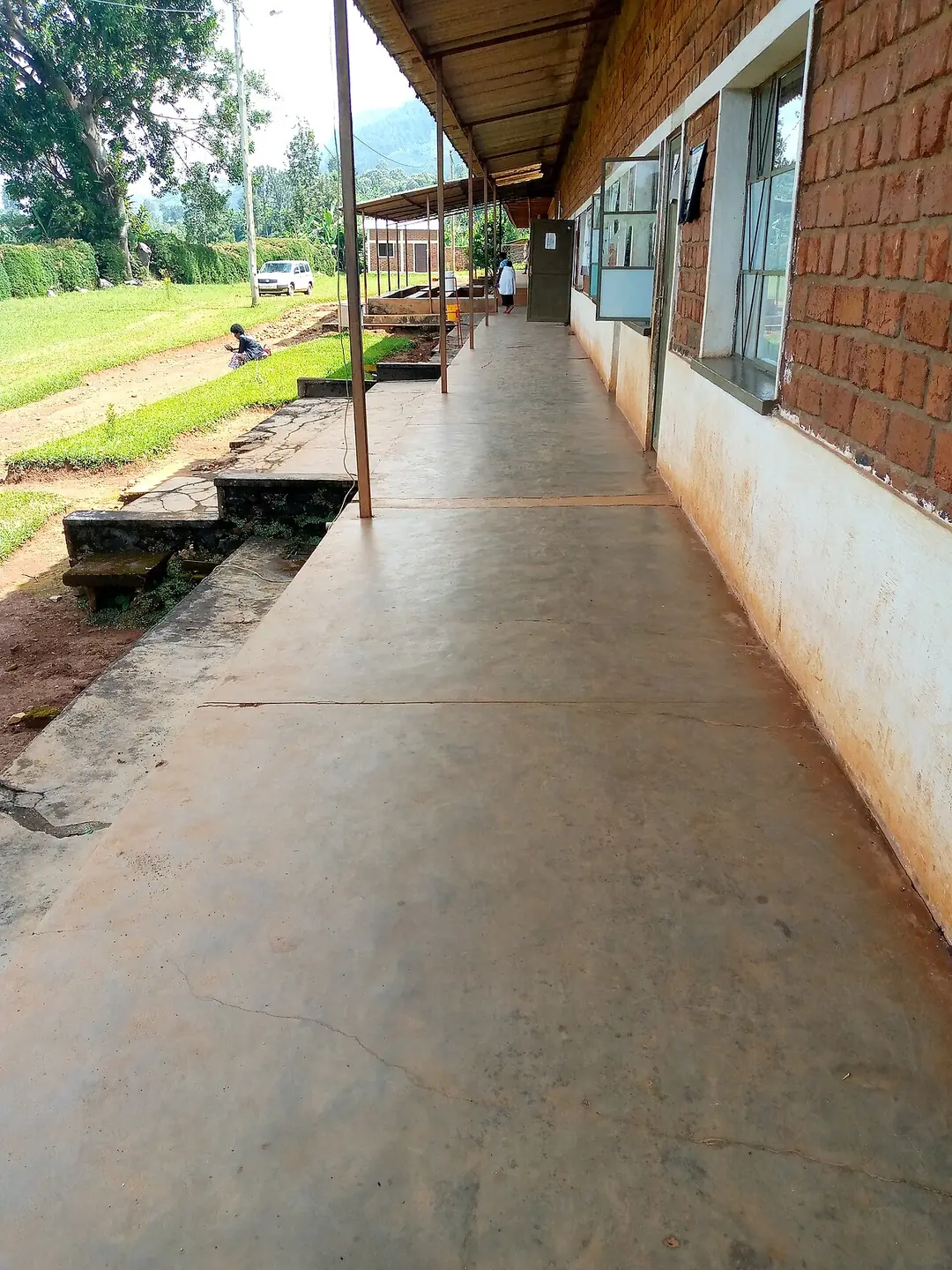
Partner hospitals and centers
ORISMA has no operating room: operations and specialist care take place in partner hospitals and centers, where the family is supported.
Where the operated children come from
Across the 300 procedures of the founding study, children came from almost every province of Burundi and from a few neighboring countries. Gitega Province is the most represented; a quarter of the children traveled long distances. That is the reason for the national network: bringing care closer to every child, with a site in every province.
Understanding clefts- Gitega20.3%
- Ruyigi8.7%
- Rutana8.0%
- Bujumbura Mairie7.3%
- Makamba7.0%
- Muyinga5.7%
- Karuzi5.0%
- Ngozi4.7%
- Cankuzo4.0%
- Muramvya3.7%
- Other provinces and neighboring countries25.7%
Shading follows each province's share. The provinces left white are grouped in the study with neighboring countries (25.7% together). Boundaries: geoBoundaries, public domain.
Would your hospital like to host a site or become a partner?
ORISMA trains the teams, provides the protocols and the application, and refers children who need surgery or specialist care to its partner hospitals. An agreement sets out each party's role.
Two indices, two destinies
Since April 2023, weight-for-length or height (WFH) has decided who goes to the operating room — no longer weight-for-age.
An illustration of the network's protocol, using the WHO 2006 growth standards. It is not a medical opinion: the decision is always made by the care team, after examining the child.
Weight-for-age (WFA)
Before April 2023
- A composite index: mixes wasting and stunting
- Z < −2 → child turned away or deferred
- Children who are small but proportionate kept out of the operating room
- Each refusal = travel, delay, risk of dropping out
Weight-for-height (WFH)
Since April 2023 — throughout the network
- Measures wasting, the only factor linked to immediate anesthetic risk
- A child who is growing well is operated on (Smile Train protocol)
- Surgical delay halved (30.4% → 13.2%)
- No excess complications among admitted children (p = 0.433)
A protocol aligned with Smile Train standards
The network's eligibility criterion follows Smile Train's Safety and Quality Protocol, based on the international WHO–WFSA standards, and its surgical safety checklist for cleft surgery. Smile Train, active in Burundi, supports local teams so that care is available year-round and free for families.
Smile Train protocol and resources →Source: smiletrain.org, accessed October 15, 2026.One doctor, one thesis, one network
To all the children with a cleft who are still waiting to be operated on.
Dr Bénigne Irakoze
Author of a study on cleft surgery outcomes in Burundi, based on 300 cleft procedures analyzed in a Burundian referral hospital. Her work gives the network its golden rule: judge whether the child is proportionate, not just light.
ORISMA was born from this thesis: a Burundian child health NGO organised in departments. The Cleft department applies its protocol, and the application guarantees the same follow-up for every child, in every province.
Inaugural recipient of the L'Chaim Prize (2016), he supervised the WFA vs WFH study.
One application, one record per child
Anonymized registry of the Cleft department: real-time WHO z-scores, surgical eligibility, operations, complications and family follow-up, with each child's follow-up site on record.
Refer a child, join the network
Families are welcomed all year round at the national center in Bujumbura and, as they open, at the provincial sites. Families are asked for a modest contribution; families who cannot pay are exempted after a social assessment: no child is turned away for lack of means.
Talk to the ORISMA team on WhatsApp
A question about a child, a referral or joining the network? Write to us: we answer as soon as possible.
+257 79 99 33 00Refer a child
- WhereORISMA national center, Bujumbura. Planned sites: Gitega (year 1), Butanyerera in Ngozi (year 2), Burunga in Makamba (year 3), Buhumuza in Cankuzo (year 4).
- WhenAll year round, from birth: the earlier the child is seen, the better the care.
- On siteMeasurements (weight, height, arm circumference), examination and preparation for surgery, under the same protocol across the network.
- CostFamilies are asked for a modest contribution; families who cannot pay are exempted after a social assessment: no child is turned away for lack of means.
- ContactWhatsApp : +257 79 99 33 00
Join the network
- Assessment of the hospital's and the team's needs and capacity.
- Training in the shared protocols and access to the application.
- Agreement setting out each party's role: site, surgery or specialist care.
Coordination: Dr Bénigne Irakoze, founder of ORISMA, national center, Bujumbura.